 +91 9787303699
 contact@amazefox.com
+91 9787303699
contact@amazefox.com
contact@amazefox.com
+91 9787303699
contact@amazefox.com



Artificial Intelligence (AI) is revolutionizing our daily interactions with technology. Whether it's voice assistants like Siri or recommendation systems on platforms like Netflix, AI is the driving force behind many of the tools we use today. But one area where its impact is becoming more visible is in UI/UX design. Designers and developers are now using AI to create better, faster, and more personalized digital experiences. This blog will explore how AI is influencing UI/UX design, the tools being used, and the benefits it brings to users and businesses.
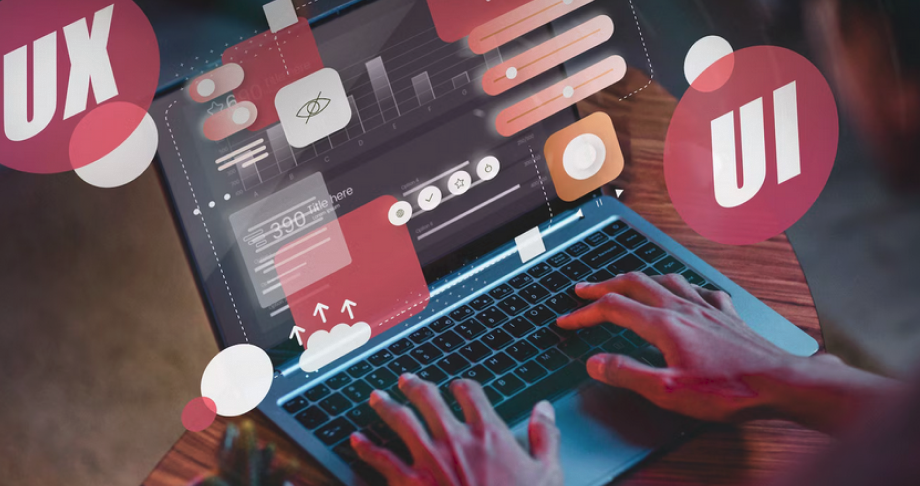
UI/UX design is rapidly evolving and continuously adapting to new trends. As new technologies emerge and user expectations grow, designers must stay ahead of the curve to deliver engaging, intuitive, and accessible experiences. In 2025, several key trends are shaping the future of digital design. Whether you're a designer, developer, or business owner, these are the top UI/UX design trends to watch and embrace.

In today’s digital world, users expect websites to be easy to use. No one wants to struggle to find what they’re looking for. That's why creating intuitive navigation is a key element of effective web design. When done right, it helps users find information quickly, keeps them on your site longer, and improves overall satisfaction. In this blog, we’ll break down what intuitive navigation means, why it matters, and how you can create it on your own website.

UX design focuses on creating products that are easy to use, enjoyable, and efficient for users. When it’s done well, you often don’t even notice it—because everything just works. But when it's done poorly, you feel confused, frustrated, or lost. In this blog, we’ll explore some of the best real-world examples of UX design and break down what makes them so effective.
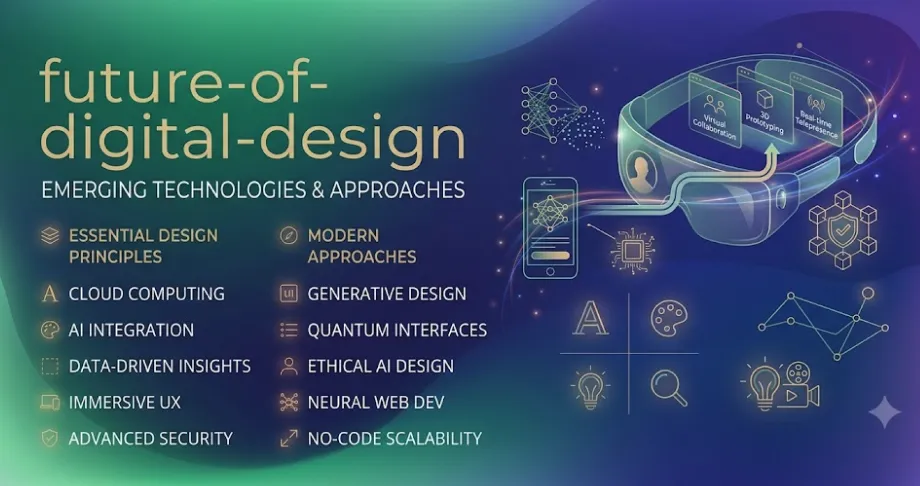
Digital design continues to evolve. What looked modern a few years ago can quickly feel outdated as customer expectations, technology, and visual trends change. But the future of design is not simply about adding more technology or visual effects.
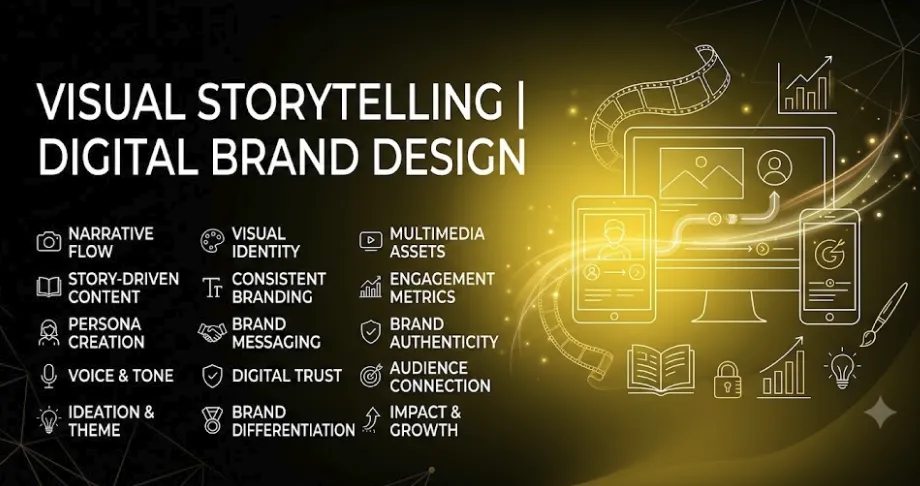
People process visual information quickly. A powerful image, meaningful graphic, or carefully designed layout can communicate an idea before a visitor reads a single paragraph. This is the power of visual storytelling.
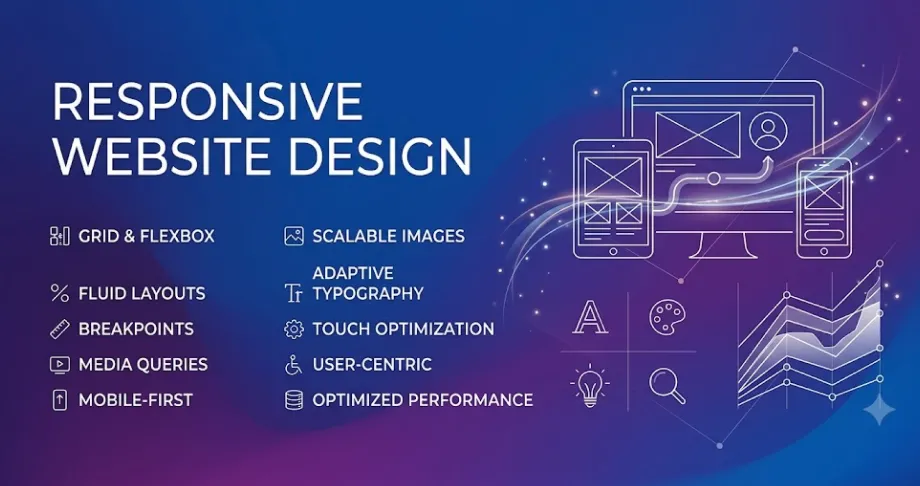
People no longer access websites from only desktop computers. Today, customers may discover a business through a smartphone, research it on a tablet, and later visit the website from a laptop. This makes responsive design an essential part of modern digital experiences.
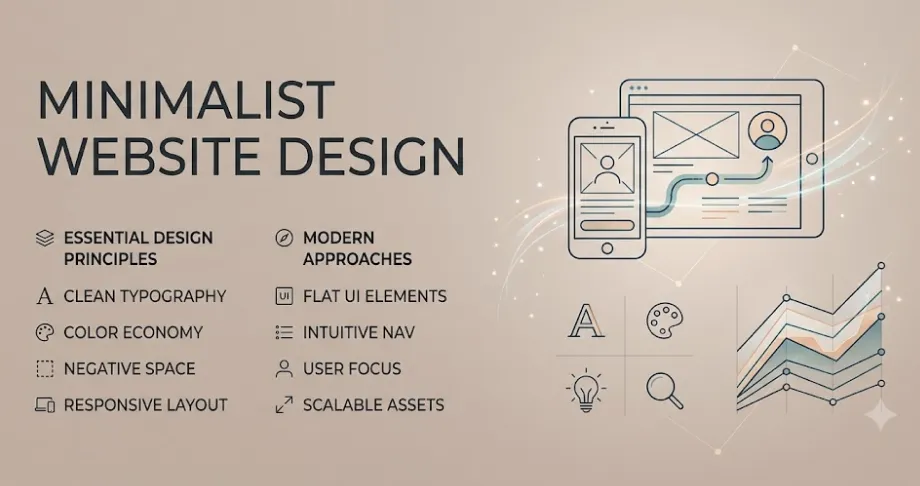
In digital design, more does not always mean better. A website filled with animations, colours, graphics, text, and multiple competing elements can make it difficult for visitors to understand the main message.
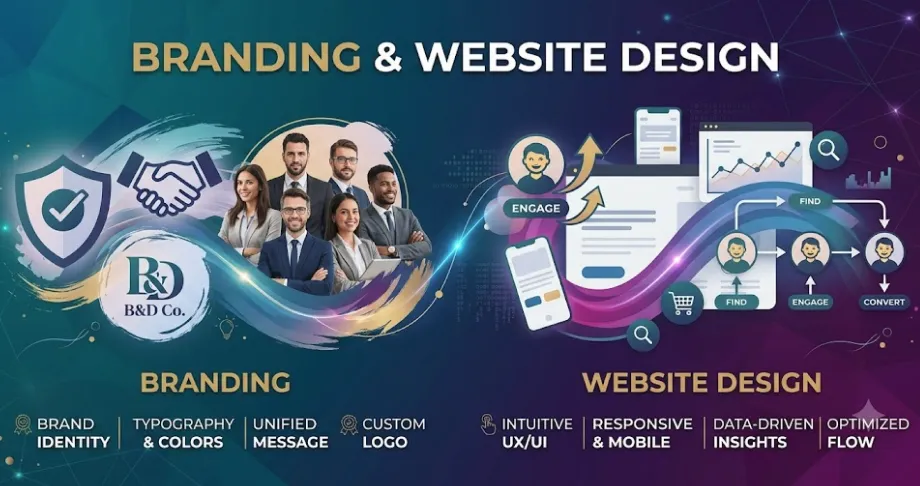
Your website should not feel like a separate identity from your business. It should feel like an extension of your brand. From colours and typography to imagery, layouts, and messaging, every visual element contributes to how customers perceive a business.
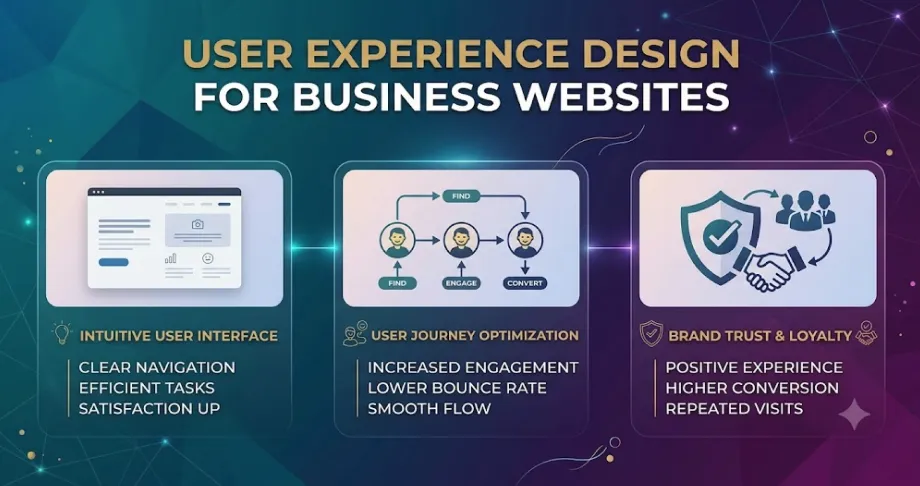
The way people shop online has changed dramatically over the past decade. Today, most consumers browse products, compare prices, and make purchases directly from their smartphones. As mobile usage continues to grow, businesses must adapt by prioritizing mobile experiences.
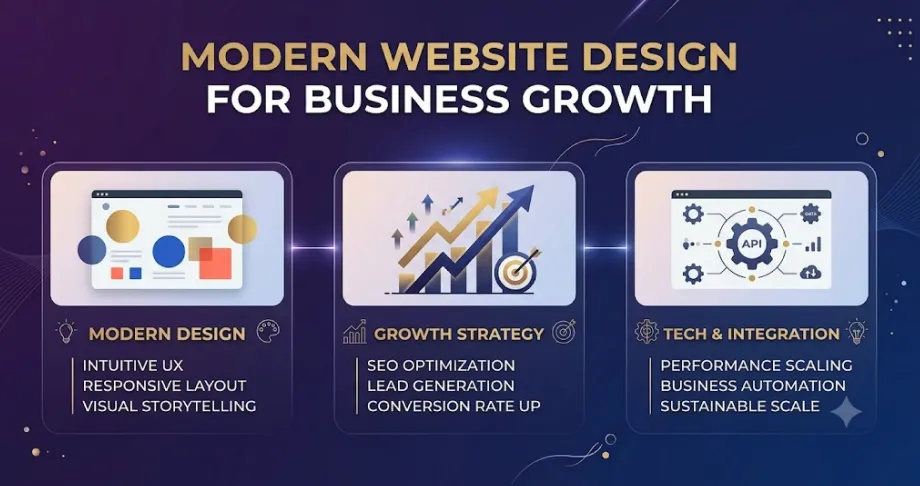
Your website is often the first place customers interact with your brand. Before they speak with your team, visit your office, or make an enquiry, they may already have formed an opinion based on your website. A modern website design does much more than make a business look professional.
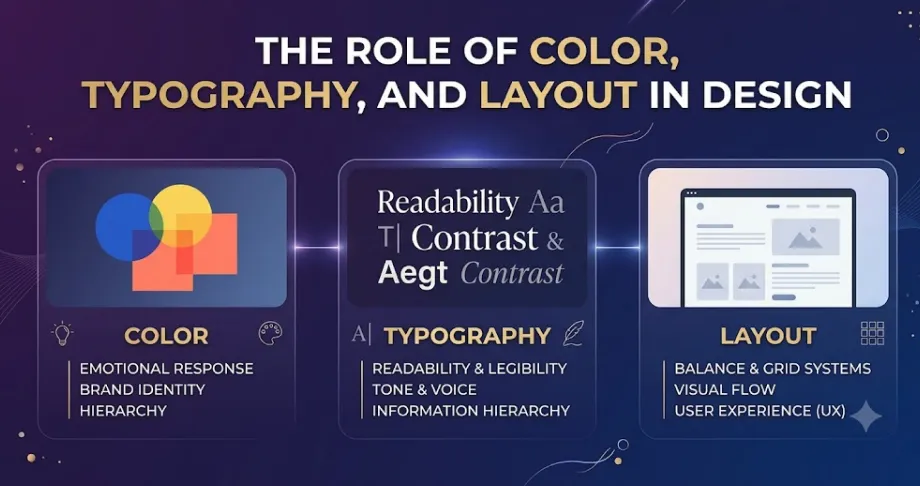
Good design is not only about making visuals look attractive. It is about presenting information in a clear, engaging, and meaningful way. Among the many elements used in design, color, typography, and layout play a major role in creating a strong visual experience.
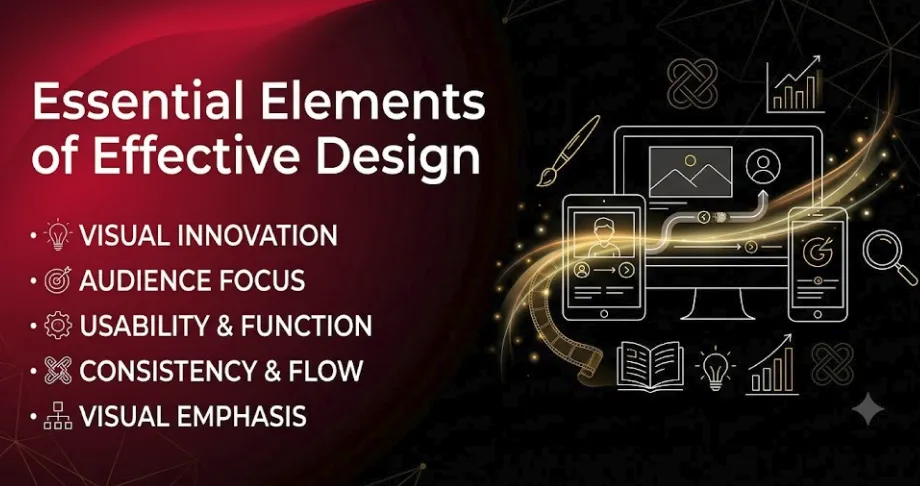
Effective design goes beyond simply making something visually appealing. Good design combines creativity, clarity, functionality, and usability to communicate a message effectively. Whether it is a graphic, digital interface, branding material, or visual content, the right design elements can make information easier to understand and create a stronger visual experience.
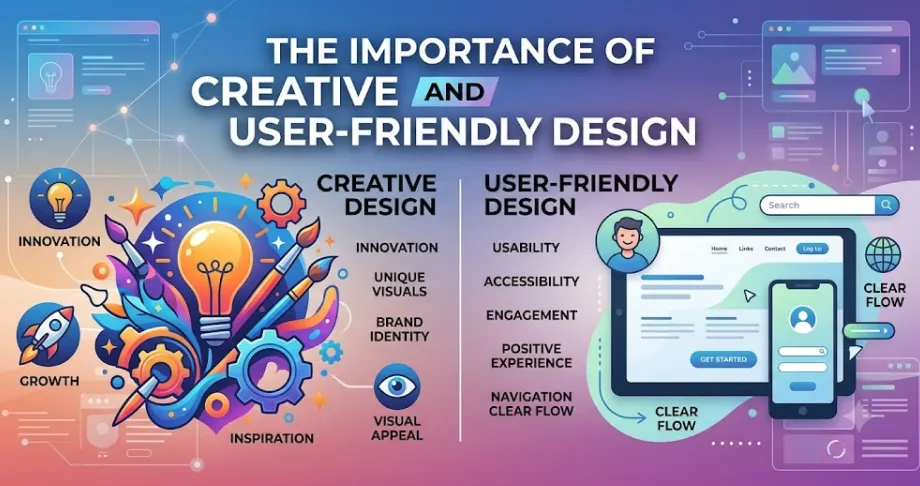
Design is an important part of how people see, understand, and interact with visual content. A good design is not only about making something look attractive. It is also about communicating ideas clearly and creating an easy and enjoyable experience for the user.
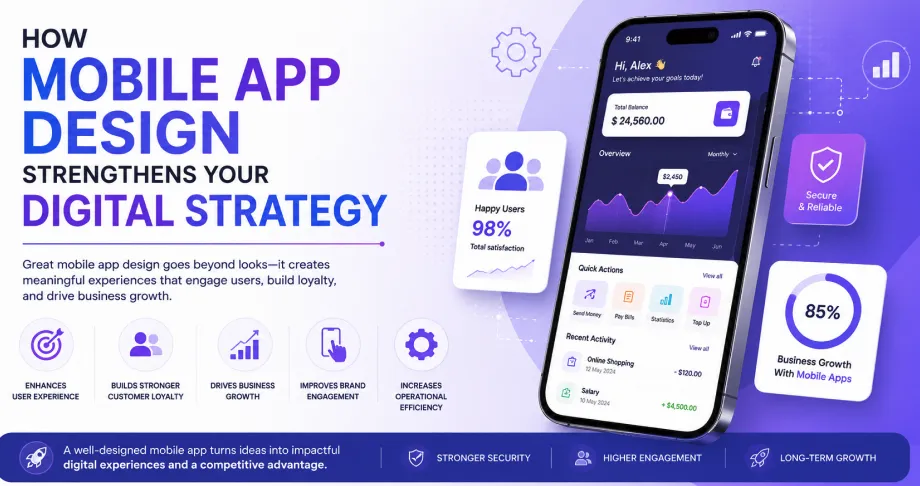
Creating a mobile app is only the first step toward achieving business success.A well-designed mobile app provides a seamless user experience, encourages engagement, and helps users accomplish their goals with ease.
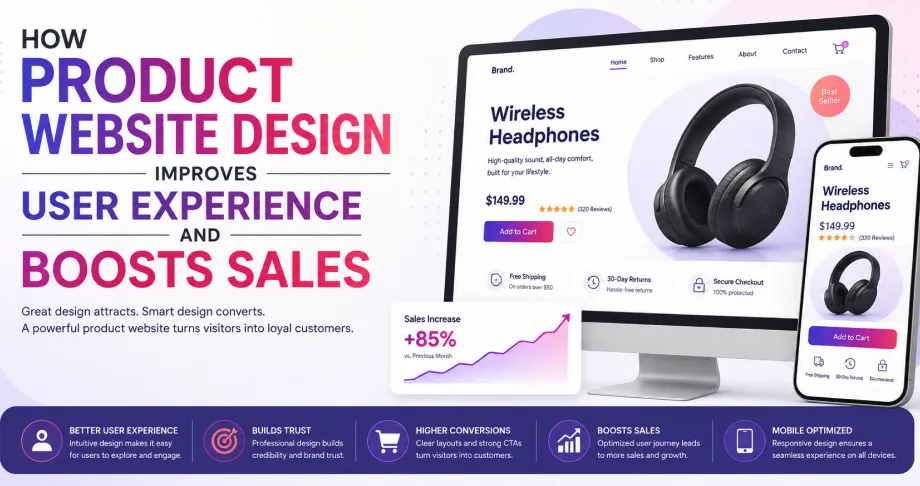
A product website is more than just an online catalog—it's a powerful sales tool that shapes how customers perceive your brand. In today's competitive digital landscape, visitors expect websites to be fast, visually appealing, and easy to navigate.

A website often serves as the initial interaction that potential customers have with your brand. A modern, high-performing website builds trust, showcases your brand, and encourages visitors to take action. However, an outdated website can negatively impact user experience, search engine rankings, and conversions.

Modern consumers are more likely to buy from brands they trust than from businesses offering similar products or services. From your logo and website to your social media presence and marketing materials, every interaction shapes how people perceive your business.
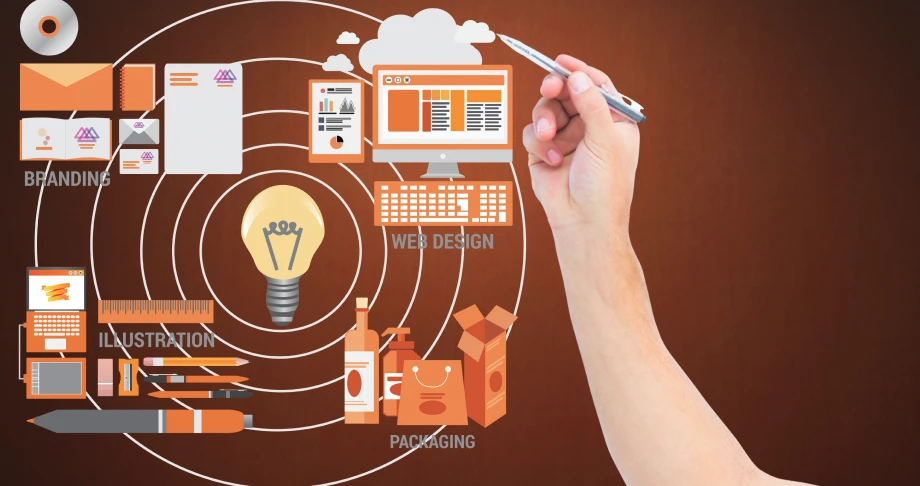
In 2026, customers expect more than just quality products—they expect an exceptional online experience. Whether you're a startup, manufacturer, retailer, or established brand, your website is often the first place potential customers learn about your business.
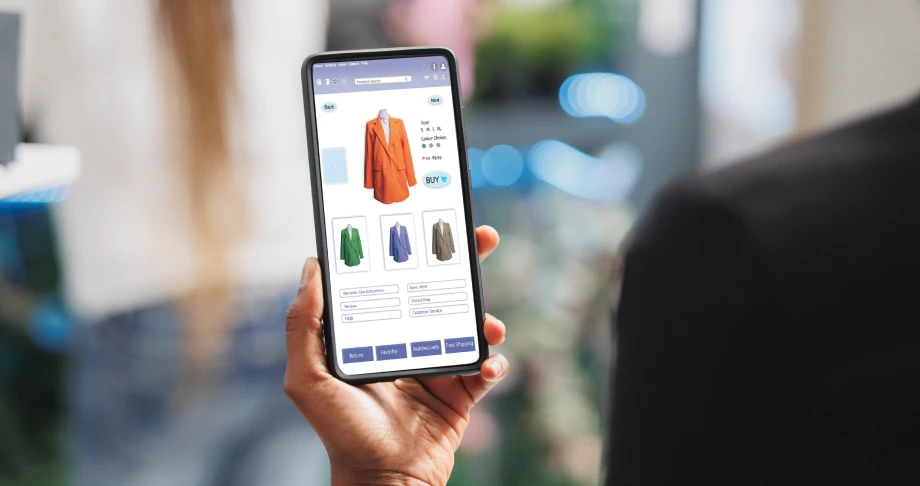
The way people shop online has changed dramatically over the past decade. Today, most consumers browse products, compare prices, and make purchases directly from their smartphones. As mobile usage continues to grow, businesses must adapt by prioritizing mobile experiences.
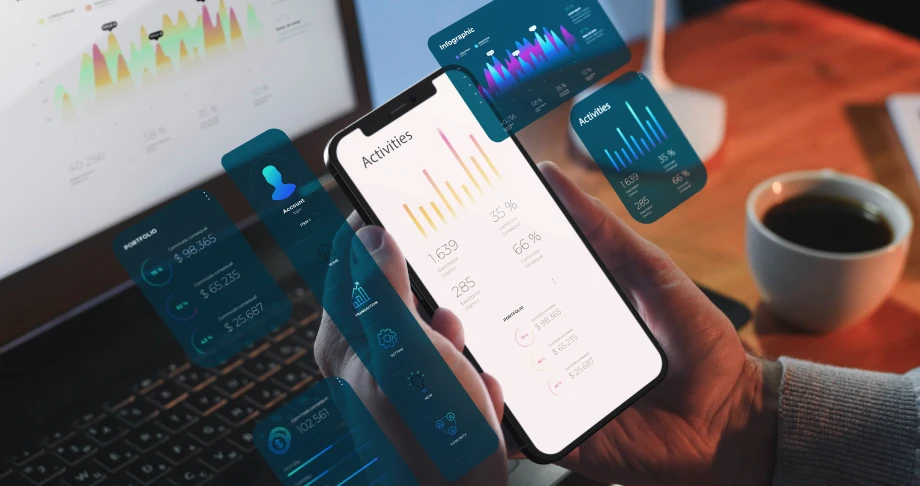
In today's competitive digital landscape, launching a mobile app is only the beginning. The real challenge lies in keeping users engaged and encouraging them to return. This is where mobile app design plays a crucial role.

In today’s digital-first world, a blog website is more than just a platform for publishing articles—it is a powerful tool for building authority, driving traffic, and growing your brand online.

In today’s competitive digital world, creating a memorable brand is more important than ever. Whether you run a startup, small business, or large enterprise, your logo is often the first thing customers notice about your brand.

In today’s digital-first world, building a WordPress website is easy—but building a fast and SEO-friendly WordPress website is what truly helps you rank higher on search engines and attract more visitors.
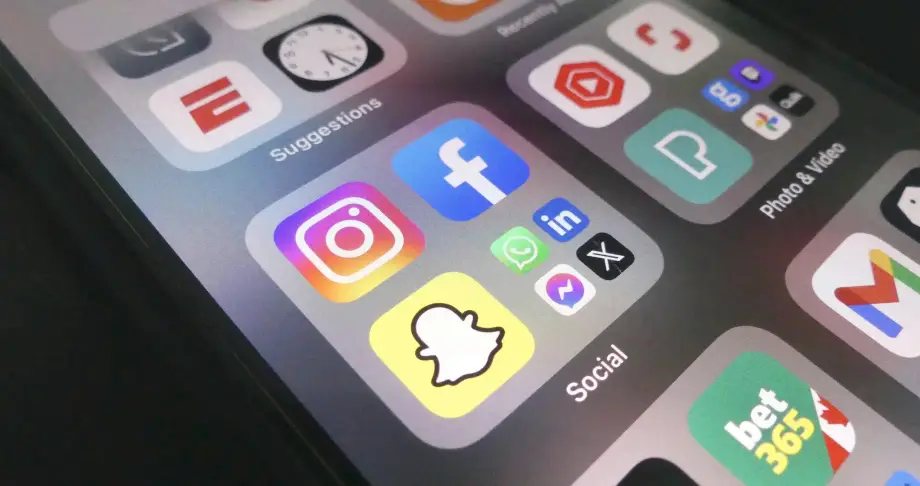
Social media is evolving faster than ever. What was effective just a year ago can now seem outdated today.In 2026, brands are no longer competing just for visibility—they are competing for attention in an increasingly saturated digital landscape.
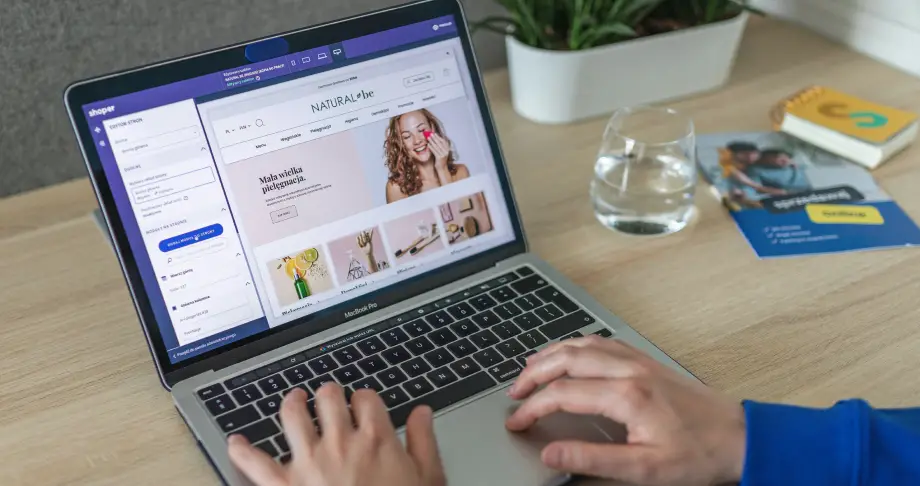
In a digital world where users decide within seconds whether to stay or leave a website, design is no longer just about appearance — it’s about performance, usability, and conversions. Businesses today need more than outdated web pages; they need fast, modern, mobile-friendly, and conversion-focused websites.
In today’s competitive digital world, customers don’t just buy products—they connect with brands. Strong brand design services help businesses create a memorable identity that builds trust, recognition, and emotional connection with their audience.
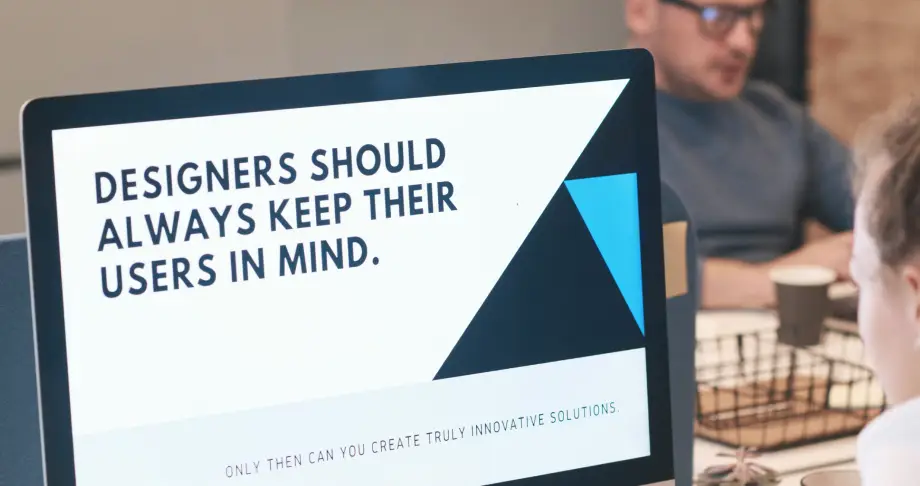
In a world where users expect instant clarity, seamless interaction, and meaningful experiences, product design has become a core driver of business success. Today, it’s not enough to simply build a product — it must be intuitive, valuable, and user-focused from the very first interaction.
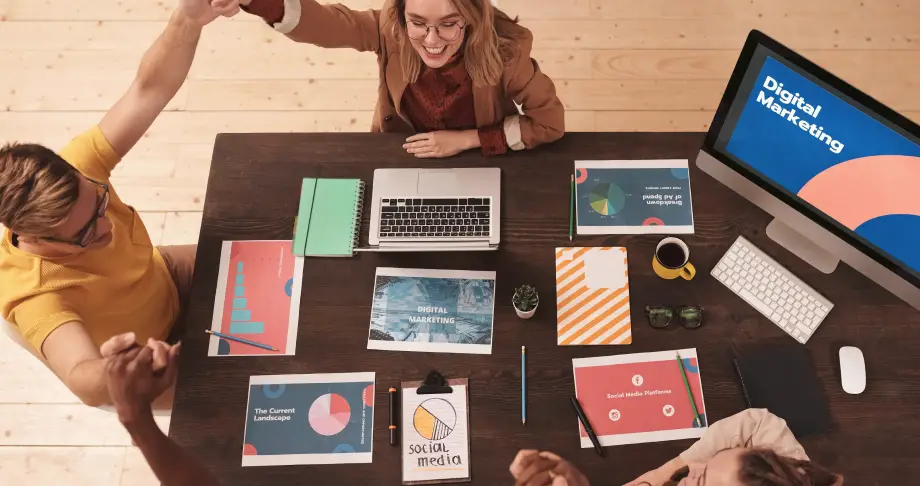
Social media has become one of the most powerful platforms for businesses to connect with audiences, build brand awareness, and increase sales. In 2026, attractive and professional social media design plays a major role in capturing user attention and improving engagement.

Today, web applications play a key role in our daily activities. From online banking and e-commerce platforms to learning management systems and booking apps, web applications power almost every digital service we use today.

In today’s competitive world of technology and information technology, having an e-commerce website is no longer enough—you need a website that converts visitors into customers. With countless online stores competing for attention, your website design plays a crucial role in influencing buying decisions.
In today’s fast-moving world of technology and information technology, mobile apps have become an essential part of everyday life. From shopping and banking to fitness and entertainment, users expect apps to be fast, intuitive, and engaging.

In today’s digital landscape, website design plays a crucial role in how businesses present their brand online. A well-designed website not only improves user experience but also helps build credibility and trust with visitors.
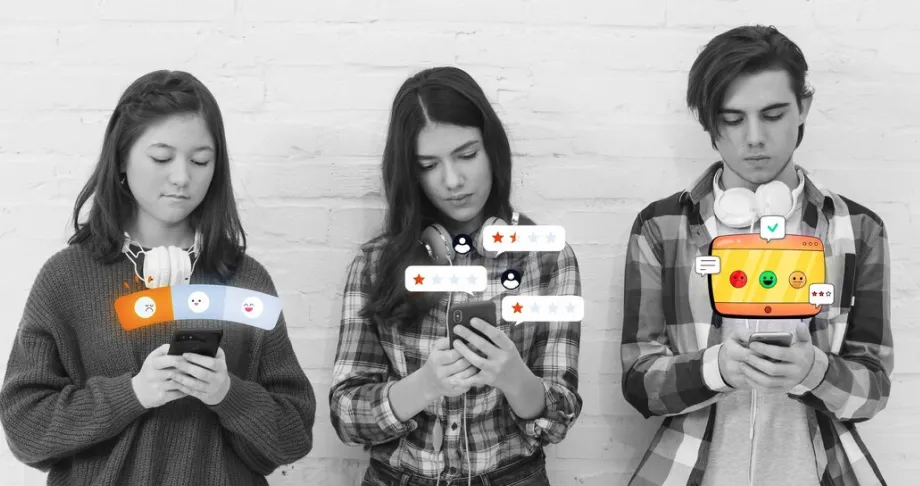
Social media has become one of the most effective platforms for businesses to communicate and engage with their audience. Every day, millions of posts compete for attention across platforms like Instagram, Facebook, LinkedIn, and X (Twitter).

In 2026, web design is no longer just about visual appeal — it’s about performance, engagement, and measurable results. A beautiful website that doesn’t convert visitors into leads or customers is simply a digital brochure.
Spring is the season of renewal — and your website deserves the same fresh start. As digital trends evolve, user expectations grow. If your website hasn’t been updated in a while, Spring 2026 is the perfect time to modernize your design, improve user experience, and strengthen your brand identity.

In today’s competitive market, businesses are no longer winning just by offering more features or lower prices. They are winning by offering better experiences. This is why more companies in 2026 are investing heavily in product design services.

In 2026, social media is louder, faster, and more crowded than ever before. Every day, millions of posts fight for attention on Instagram, Facebook, LinkedIn, and other platforms. In this situation, design has become more powerful than content.
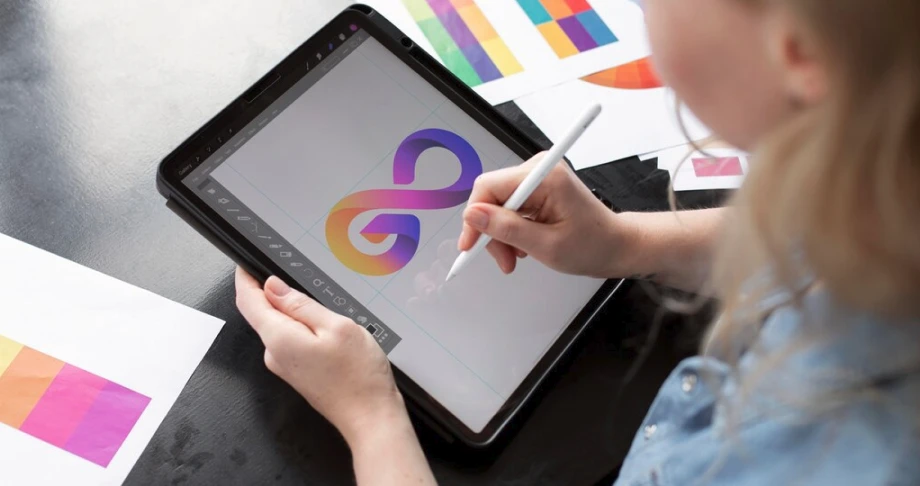
In today’s highly competitive digital world, a brand’s first impression often happens visually—and your logo is at the center of that impression. Before customers read your content, explore your services, or speak to your team, they notice your logo

In today’s highly competitive digital marketplace, an eCommerce website is more than just an online storefront—it is the backbone of your brand’s online success. With global eCommerce sales continuing to grow rapidly,
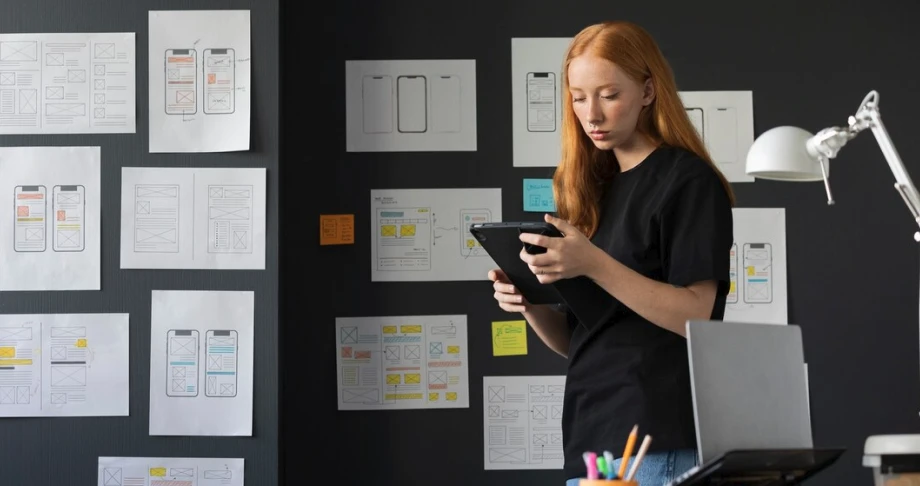
In today’s digital-first world, a mobile app is often the first interaction users have with a brand. While powerful features matter, it’s the design that determines whether users stay, engage, and return.
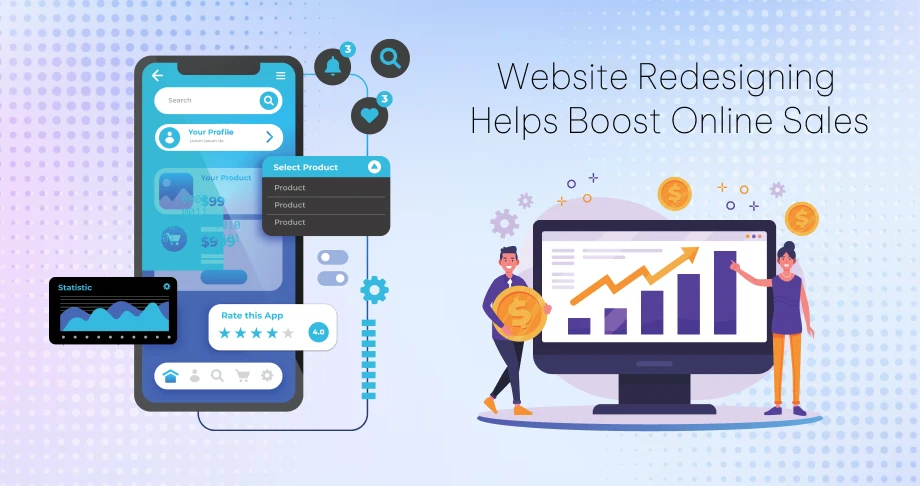
In today’s digital-first world, your website is more than just an online presence—it is your primary sales engine. If your website looks outdated, loads slowly, or fails to engage users, you are likely losing potential customers every day.

In a world where users decide within seconds whether to stay or leave a website, great design is no longer optional — it’s essential. Businesses today need more than visually appealing layouts; they need strategic UI/UX design, seamless navigation, mobile-first experiences, and branding that builds trust instantly.
UX design focuses on creating products that are easy to use, enjoyable, and efficient for users. When it’s done well, you often don’t even notice it—because everything just works.
In today’s digital world, users expect websites to be easy to use. No one wants to struggle to find what they’re looking for. That's why creating intuitive navigation is a key element of effective web design.
UI/UX design is rapidly evolving and continuously adapting to new trends. As new technologies emerge and user expectations grow, designers must stay ahead of the curve to deliver engaging
Artificial Intelligence (AI) is revolutionizing our daily interactions with technology. Whether it's voice assistants like Siri or recommendation systems on platforms like Netflix, AI is the driving force behind many of the tools we use today.


Copyright 2025 © www.amazefox.com. All Rights Reserved.
